


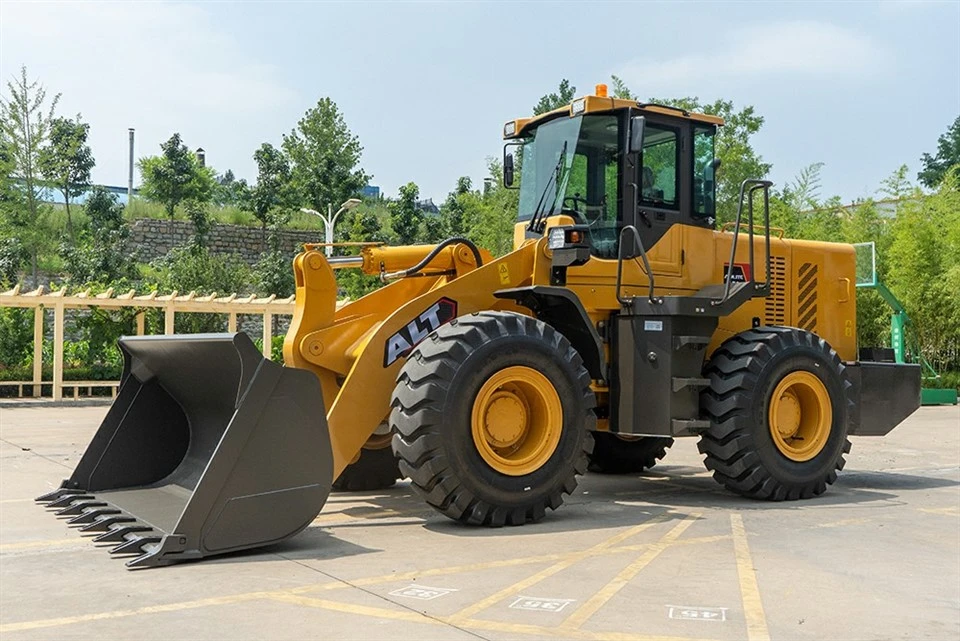
As a supplier of Diesel Wheel Loaders, I am often asked about the intricate workings of the lubrication system in these powerful machines. The lubrication system plays a pivotal role in ensuring the smooth operation, longevity, and efficiency of a Diesel Wheel Loader. In this blog, I will delve into the details of how the lubrication system of a Diesel Wheel Loader works.

The Importance of Lubrication in Diesel Wheel Loaders
Before we dive into the mechanics of the lubrication system, it's crucial to understand why lubrication is so vital for Diesel Wheel Loaders. These machines are subjected to high levels of stress and friction due to their heavy - duty operations. The moving parts within the engine, transmission, and other components generate a significant amount of heat and wear. Lubrication serves several key functions:
- Reducing Friction: By creating a thin film between moving parts, lubricants minimize the direct contact and friction between surfaces. This reduces wear and tear, extending the lifespan of components.
- Cooling: Lubricants can absorb and carry away heat generated by the moving parts. This helps to maintain optimal operating temperatures and prevents overheating, which can cause serious damage to the engine and other systems.
- Sealing: Lubricants can form a seal between piston rings and cylinder walls, preventing the leakage of combustion gases and ensuring efficient engine operation.
- Cleaning: Modern lubricants contain additives that help to clean the engine by suspending dirt, debris, and contaminants. These particles are then carried to the oil filter, where they are removed from the lubricant.
Components of the Lubrication System
The lubrication system of a Diesel Wheel Loader consists of several key components, each with a specific function.
Oil Pan
The oil pan, also known as the sump, is located at the bottom of the engine. It serves as a reservoir for the engine oil. The oil pan is designed to hold a sufficient amount of oil to ensure continuous lubrication of the engine's moving parts.
Oil Pump
The oil pump is responsible for circulating the oil throughout the lubrication system. It draws oil from the oil pan and pressurizes it before sending it to the various engine components. There are two main types of oil pumps used in Diesel Wheel Loaders: gear pumps and rotor pumps. Gear pumps are simple and reliable, while rotor pumps are more efficient and can provide higher oil pressures.
Oil Filter
The oil filter is a crucial component of the lubrication system. Its primary function is to remove contaminants such as dirt, metal particles, and carbon deposits from the oil. A clogged or dirty oil filter can restrict the flow of oil, leading to poor lubrication and potential engine damage. Most Diesel Wheel Loaders are equipped with a full - flow oil filter, which filters all the oil that passes through the lubrication system.
Oil Cooler
In high - performance Diesel Wheel Loaders, an oil cooler is often used to maintain the oil at an optimal temperature. The oil cooler works by transferring heat from the oil to the surrounding air or coolant. This helps to prevent the oil from breaking down due to excessive heat, which can reduce its lubricating properties.
Oil Galleries
Oil galleries are passages within the engine block and cylinder head that distribute the pressurized oil to the various moving parts. These galleries are carefully designed to ensure that each component receives an adequate supply of oil for proper lubrication.
The Working Process of the Lubrication System
The lubrication system of a Diesel Wheel Loader operates in a continuous cycle. Here's a step - by - step breakdown of how it works:
- Oil Intake: When the engine is started, the oil pump begins to draw oil from the oil pan. The oil is then sucked into the pump through a pickup tube, which is located at the bottom of the oil pan.
- Oil Pressurization: The oil pump pressurizes the oil, increasing its pressure to a level that is sufficient to overcome the resistance of the oil galleries and reach all the engine components. The pressurized oil is then forced out of the pump and into the main oil gallery.
- Oil Distribution: From the main oil gallery, the pressurized oil is distributed to various engine components through a network of smaller oil galleries. The oil is directed to critical areas such as the crankshaft bearings, connecting rod bearings, camshaft bearings, and valve train components.
- Lubrication and Cooling: As the oil reaches the moving parts, it forms a thin film between the surfaces, reducing friction and wear. At the same time, the oil absorbs heat generated by the moving parts and carries it away.
- Filtration: After lubricating the engine components, the oil returns to the oil pan. On its way back, the oil passes through the oil filter, where contaminants are removed. This ensures that the oil remains clean and effective for continued use.
- Cooling (if applicable): If the Diesel Wheel Loader is equipped with an oil cooler, the oil may pass through the cooler before returning to the oil pan. The cooler helps to lower the temperature of the oil, maintaining its viscosity and lubricating properties.
Maintenance of the Lubrication System
Proper maintenance of the lubrication system is essential to ensure the reliable operation of a Diesel Wheel Loader. Here are some key maintenance tasks:
- Regular Oil Changes: It is recommended to change the engine oil at regular intervals, as specified in the manufacturer's maintenance schedule. Over time, the oil can become contaminated with dirt, debris, and combustion by - products, which can reduce its effectiveness.
- Filter Replacement: The oil filter should be replaced every time the oil is changed. A clogged or dirty filter can restrict oil flow and cause engine damage.
- Oil Level Checks: Regularly check the oil level in the oil pan using the dipstick. Maintaining the proper oil level is crucial for ensuring adequate lubrication of the engine components.
- Inspection of Components: Periodically inspect the oil pump, oil cooler, and oil galleries for signs of damage or wear. Any leaks or malfunctions should be repaired immediately to prevent further damage to the lubrication system.
Our Diesel Wheel Loader Offerings
At our company, we offer a range of high - quality Diesel Wheel Loaders, including the 625 - Type Small Wheel Loader, 953 - Type Small Wheel Loader, and 620 - Type Small Wheel Loader. These loaders are designed with advanced lubrication systems to ensure reliable performance and long - term durability.
If you are in the market for a Diesel Wheel Loader, we invite you to contact us for more information. Our team of experts can provide you with detailed specifications, pricing, and assistance in choosing the right loader for your needs. Whether you are involved in construction, mining, or other heavy - duty applications, our Diesel Wheel Loaders are built to deliver exceptional performance.
Conclusion
The lubrication system of a Diesel Wheel Loader is a complex and critical component that plays a vital role in the machine's operation. By understanding how the lubrication system works and performing regular maintenance, you can ensure the long - term reliability and efficiency of your Diesel Wheel Loader. If you have any questions or are interested in our products, please don't hesitate to reach out to us. We look forward to discussing your requirements and helping you find the perfect solution for your business.
References
- Diesel Engine Handbook, Edited by Richard Stone
- Wheel Loader Operation and Maintenance Manuals from leading manufacturers


