


Hey there! As a wheel loader supplier, I've seen firsthand how these machines are game - changers in the construction, mining, and agricultural industries. One of the most crucial parts of a wheel loader is its articulation system. So, let's dive into how it works.
What is an Articulation System in a Wheel Loader?
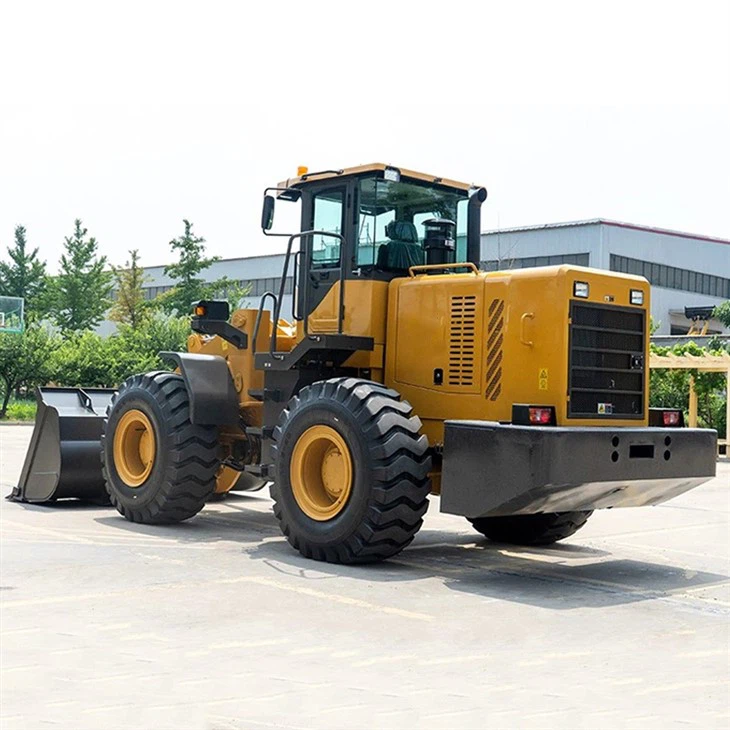
The articulation system is what allows a wheel loader to turn and maneuver with ease. Unlike some other heavy - duty vehicles that rely on a fixed frame and steering axles, wheel loaders use an articulated design. This means the machine is split into two main sections: the front and the rear, connected by a pivot point.
Components of the Articulation System
- Pivot Joint: At the heart of the articulation system is the pivot joint. It's like the hinge on a door, but way more robust. This joint allows the front and rear sections of the wheel loader to move relative to each other. The pivot joint is usually made of high - strength steel to withstand the heavy loads and stresses that the loader experiences during operation.
- Hydraulic Cylinders: These are the muscle behind the articulation. Hydraulic cylinders are connected to both the front and rear sections of the loader. When hydraulic fluid is pumped into one side of the cylinder, it causes the piston inside to move, which in turn pushes or pulls the loader sections, making the machine turn. For example, if the hydraulic cylinder on the left side extends while the one on the right retracts, the loader will turn to the right.
How the Articulation System Operates
Let's break down the process of how the articulation system works step - by - step.
- Operator Input: When the operator turns the steering wheel in the cab, it sends a signal to the hydraulic control valves. These valves are like traffic cops for the hydraulic fluid. They direct the flow of fluid to the appropriate hydraulic cylinders based on the direction the operator wants to turn.
- Hydraulic Fluid Flow: Once the valves are adjusted, hydraulic fluid is forced into the selected hydraulic cylinders. The fluid enters the cylinder through a port, and as the pressure builds up, it pushes the piston. The movement of the piston is then transferred to the loader's frame, causing the front and rear sections to pivot at the joint.
- Turning the Loader: As the hydraulic cylinders extend or retract, the wheel loader starts to turn. The degree of turn depends on how much the operator turns the steering wheel. A small turn of the wheel will result in a small movement of the hydraulic cylinders and a gentle turn of the loader, while a full - turn of the steering wheel will cause the cylinders to move to their maximum extent, resulting in a sharp turn.
Advantages of the Articulation System
- Maneuverability: The articulation system gives wheel loaders excellent maneuverability. They can easily navigate tight spaces, such as construction sites with limited room or narrow aisles in warehouses. This is a huge advantage compared to rigid - frame vehicles that have a larger turning radius.
- Load Distribution: Since the loader is articulated, it can better distribute the load between the front and rear axles. This helps in maintaining stability, especially when carrying heavy loads. The ability to pivot also allows the loader to adjust its position to better handle uneven terrain.
- Smoother Operation: The hydraulic - powered articulation system provides a smooth and precise turning motion. The operator can make small adjustments to the steering, which is useful when working in delicate situations, like loading materials into a specific container.
Real - World Applications
In construction, wheel loaders with articulation systems are used for tasks like moving dirt, gravel, and building materials. They can quickly load and unload trucks, even in confined areas. In mining, these loaders are essential for transporting ore and waste materials. Their ability to turn easily makes them ideal for working in underground mines or on uneven mine sites. In agriculture, wheel loaders are used to handle hay bales, manure, and other farm materials.
Now, if you're in the market for a wheel loader, we've got some great options. Check out our 630 - Type Small Wheel Loader, 953 - Type Small Wheel Loader, and 625 - Type Small Wheel Loader. These loaders are equipped with top - notch articulation systems that ensure smooth and efficient operation.
If you're interested in learning more about our wheel loaders or want to discuss a potential purchase, don't hesitate to reach out. We're here to help you find the perfect machine for your needs. Whether you're a small - scale contractor or a large - scale mining operation, we've got the right wheel loader for you.

References
- "Heavy Equipment Handbook" by Frank Derenzo
- "Hydraulics for Mobile Equipment" by Fred Schey


