


Hey there! As a forklift supplier, I've dealt with all sorts of questions from customers, and one that comes up pretty often is how to transport a forklift. It's not as straightforward as you might think, so I'm gonna break it down for you step by step.
First off, why might you need to transport a forklift? Well, maybe you're moving to a new warehouse, or you've sold a forklift to a customer in another city. Whatever the reason, getting it from point A to point B safely is crucial.
Pre - transport Preparation
Before you even think about moving the forklift, you need to do a thorough inspection. Check the tires for any signs of damage or wear. You don't want a flat tire during transport, that's for sure! Also, make sure the brakes are in good working order. You can't have a forklift rolling around uncontrollably on the transport vehicle.
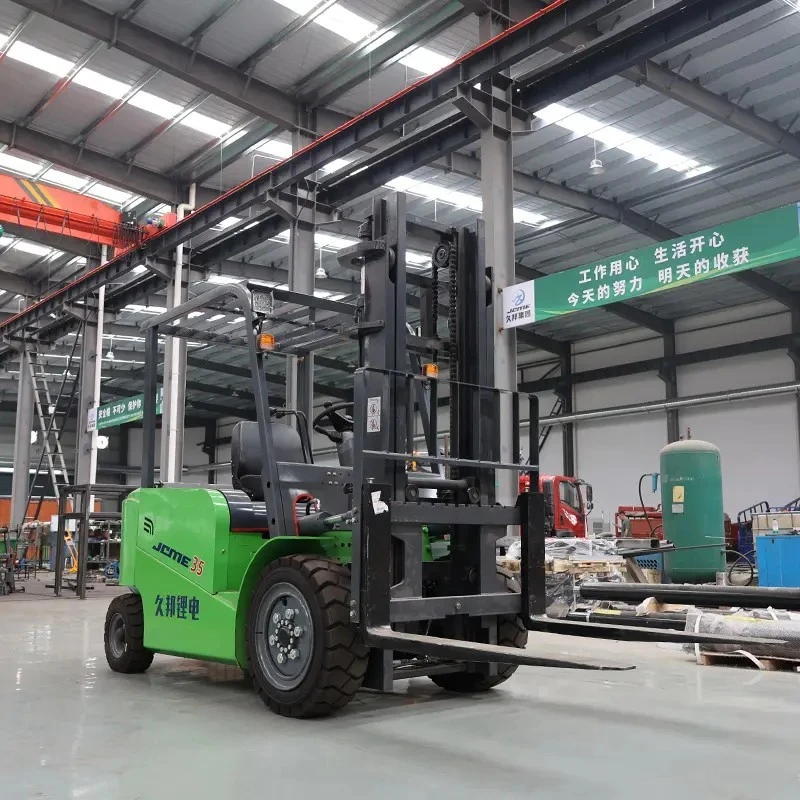
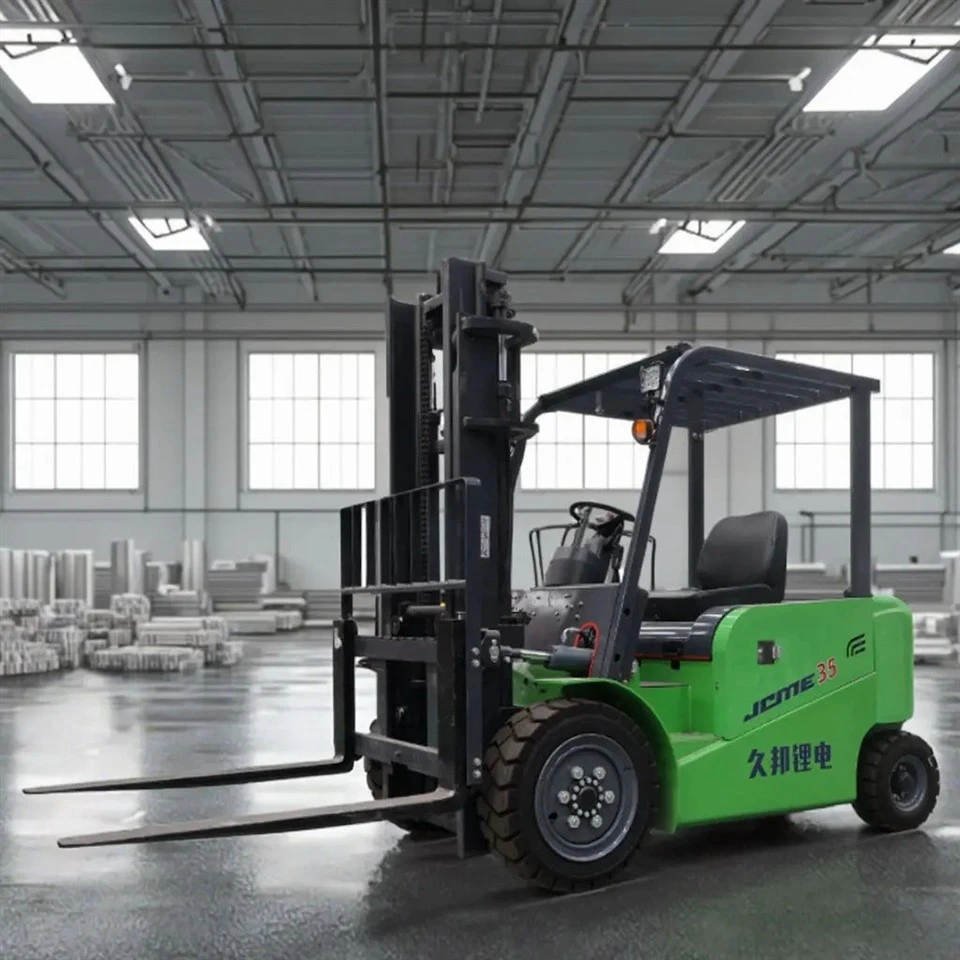
Next, drain the fuel. Whether it's diesel or gasoline, having a full tank during transport can be a safety hazard. A small leak could lead to a big problem. And if it's an electric forklift, like our 3 - 3.5 Tons Li - ion Powered Counterbalanced Forklifts or 4 - 4.5 Tons Li - ion Powered Counterbalanced Forklifts, make sure the battery is properly secured and charged.
You'll also want to remove any loose parts or attachments. Things like forks, side - shifters, or other accessories can get damaged during transport or even cause an accident if they fall off.
Choosing the Right Transport Vehicle
The size and weight of your forklift will determine the type of transport vehicle you need. For smaller forklifts, a flatbed truck might do the trick. But if you're dealing with a heavy - duty 5 Tons Rear - Steering Off - road Forklift, you'll probably need a large semi - trailer.
When choosing a transport vehicle, make sure it has the right weight capacity. You don't want to overload the truck or trailer, as that can lead to mechanical problems and even accidents on the road. Also, check the condition of the vehicle. A rickety old truck is not going to be a safe way to transport your valuable forklift.
Loading the Forklift
Loading the forklift onto the transport vehicle is a critical step. You need to have a proper ramp. The ramp should be wide enough and strong enough to support the weight of the forklift. Make sure it's securely attached to the transport vehicle.
When driving the forklift onto the ramp, go slowly and steadily. Keep the forks low to the ground to maintain balance. Once the forklift is on the transport vehicle, position it in the center as much as possible. This helps distribute the weight evenly and reduces the risk of the vehicle tipping over during transit.
Securing the Forklift
After the forklift is loaded, you need to secure it properly. Use high - quality tie - downs. Straps made of strong materials like nylon or polyester are a good choice. Attach the tie - downs to the forklift's frame and then to the transport vehicle. Make sure the straps are tight, but not so tight that they damage the forklift.
You can also use wheel chocks. Place them in front of and behind the forklift's wheels to prevent it from rolling. Double - check all the tie - downs and wheel chocks before you start the journey.
During Transport
During the journey, it's important to drive carefully. Avoid sudden stops and starts, as this can cause the forklift to shift on the transport vehicle. Also, be aware of the height and width of the load. Make sure you can safely pass under bridges and through narrow roads.
If you're transporting the forklift over a long distance, it's a good idea to stop periodically and check the tie - downs and the overall condition of the forklift. You don't want to arrive at your destination only to find that the forklift has been damaged during the journey.
Unloading the Forklift
When you reach your destination, it's time to unload the forklift. Follow the same safety procedures as when loading. Make sure the ramp is in place and secure. Drive the forklift off the transport vehicle slowly and carefully.
Once the forklift is off, do another inspection. Check for any signs of damage that might have occurred during transport. If you find any issues, document them and contact your insurance company if necessary.
Legal Requirements
Don't forget about the legal requirements for transporting a forklift. You may need special permits, especially if you're transporting a large or heavy forklift. Different states and countries have different regulations, so make sure you do your research beforehand.
In some cases, you may also need to display warning signs on the transport vehicle to indicate that it's carrying a forklift. This helps other drivers on the road be aware of the load and drive safely around it.
Conclusion
Transporting a forklift is a complex process that requires careful planning and attention to detail. By following these steps, you can ensure that your forklift arrives at its destination safely and in good condition.
If you're in the market for a new forklift or have any questions about forklift transport, I'd love to hear from you. Just reach out, and we can have a chat about your needs. Whether you're looking for a small electric forklift or a heavy - duty diesel one, we've got a great range of options for you.
References
- Forklift Safety Manuals
- Transport Regulations Guides
So, don't hesitate to get in touch if you're interested in our forklifts or need more advice on forklift transport. Looking forward to hearing from you!


